
Description
Product Overview
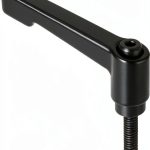
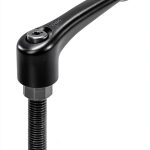
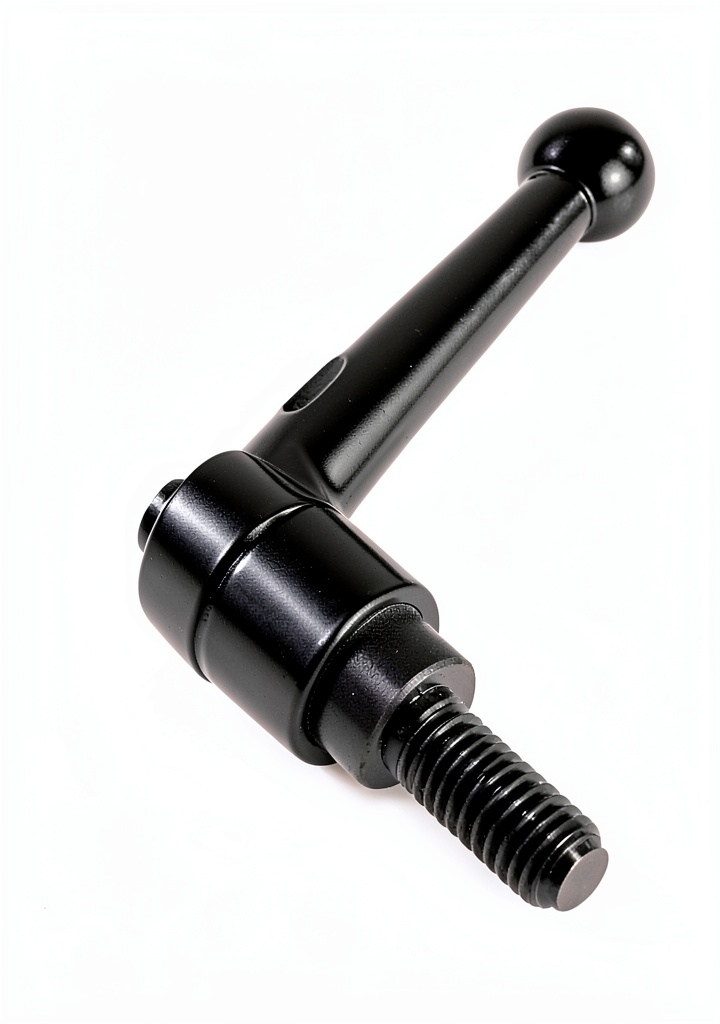
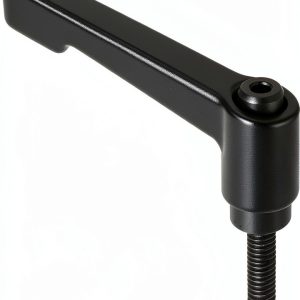
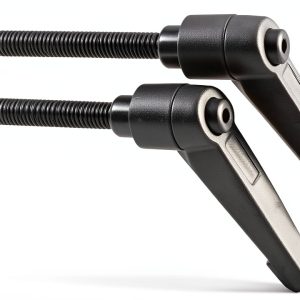
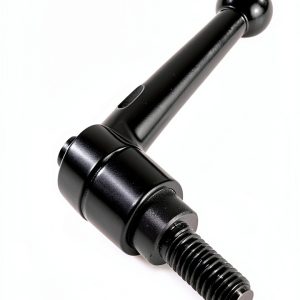
The Kipp 06430-3A41X50 adjustable handle is engineered to meet the demanding requirements of modern industrial environments where reliability, durability, and ease of operation are paramount. Designed with a classic ball style that provides a comfortable grip, this handle integrates seamlessly into a wide range of equipment, from heavy‑duty machinery enclosures to precision control panels. Its adjustable nature allows technicians to fine‑tune the handle position, ensuring optimal ergonomics and reducing operator fatigue during prolonged use. By combining a robust zinc die‑cast body with precision‑machined steel internal components, the handle delivers a balanced blend of strength and smooth functionality that stands up to repeated adjustments and harsh operating conditions. The handle’s 3/8‑16″ external thread conforms to standard industry specifications, allowing it to be paired with a variety of mounting brackets and screw assemblies without the need for custom adapters. Its compact dimensions of 1.97 x 1.61 x 0.01 inches make it suitable for tight spaces while still providing a sturdy attachment point capable of handling significant torque loads. Additionally, the black satin powder‑coat finish not only enhances visual appeal but also offers superior resistance to corrosion, abrasion, and chemical exposure, extending the service life of the component even in aggressive environments.
Usage
In factories, processing plants, and warehouse automation systems, the Kipp adjustable handle serves as a critical interface between operators and machinery, enabling quick access to doors, panels, and service hatches. Its ergonomic ball design reduces the effort required to open or close heavy doors, making it an ideal choice for applications such as conveyor belt enclosures, motor housings, and control cabinet doors where frequent operation is expected. The handle’s ability to accommodate a range of screw lengths, including the 50 mm screw length specified for this model, ensures a secure fit across diverse mounting configurations, further enhancing its versatility in complex installations.
Installation of the Kipp adjustable handle is straightforward and can be completed by technicians with basic hand‑tool skills. The 3/8‑16″ external thread aligns with standard machine screws, allowing the handle to be secured using a simple torque wrench or screwdriver without the need for specialized equipment. Prior to installation, it is recommended to clean the mounting surface to remove dust, oil, or debris, ensuring optimal contact between the zinc body and the steel bolts. Once positioned, the handle can be tightened to the manufacturer‑specified torque value, typically between 5 and 7 Nm, to achieve a firm yet adjustable connection that will not loosen under vibration.
Routine maintenance of the adjustable handle involves periodic inspection for signs of wear, corrosion, or looseness, especially in environments exposed to moisture, chemicals, or extreme temperature fluctuations. The black satin powder‑coat finish provides a protective barrier that minimizes surface degradation, yet it is advisable to wipe the handle with a soft, lint‑free cloth and a mild cleaning agent at least once a month to preserve its appearance and functional integrity. If any of the steel bolts exhibit rust or loss of thread integrity, they should be replaced with equivalent grade‑5.8 fasteners to maintain the original strength specifications and ensure continued safe operation.
From a safety perspective, the adjustable handle’s smooth ball surface eliminates sharp edges that could cause hand injuries, while the sturdy steel internal components are designed to withstand the torque forces generated during routine opening and closing cycles. Users should always verify that the handle is fully seated and that the screw is tightened to the correct torque before operating equipment, as an improperly installed handle may lead to accidental disengagement or damage to the surrounding panel. By adhering to the recommended installation and maintenance procedures, facilities can rely on the Kipp adjustable handle to provide consistent performance and contribute to a safer working environment.
Why Choose Us
Kipp Inc. has built a reputation for delivering high‑quality industrial hardware, and the 06430-3A41X50 adjustable handle exemplifies this commitment through its meticulous material selection and precision engineering. The die‑cast zinc body is produced using advanced casting techniques that ensure uniform wall thickness and eliminate internal voids, resulting in a component that resists deformation under load. Complementing the zinc core, the internal bolts and moving parts are fabricated from grade‑5.8 steel, a material known for its high tensile strength and excellent fatigue resistance, guaranteeing that the handle maintains its functional performance even after thousands of adjustment cycles.
The manufacturing process for this handle incorporates rigorous quality control checkpoints at each stage, from raw material inspection to final coating application. Each zinc casting undergoes dimensional verification using calibrated measuring equipment to confirm compliance with the specified 1.97 × 1.61 × 0.01 inches profile. Steel components are heat‑treated and machined to precise tolerances, ensuring smooth interaction with the zinc housing and reliable operation of the adjustable mechanism. After assembly, the entire unit receives a black satin powder‑coat that is cured at high temperature, creating a uniform, hard‑finished surface that protects against rust, UV degradation, and mechanical wear.
Every batch of Kipp adjustable handles undergoes comprehensive functional testing that simulates real‑world operating conditions. Tests include torque endurance, where the handle is cycled thousands of times to verify that the adjustment mechanism remains smooth and free of binding, and corrosion resistance assessments that expose the powder‑coat to salt spray and humidity chambers. Additionally, the handles are subjected to impact testing to confirm that the zinc body can absorb accidental knocks without cracking, and to temperature cycling to ensure performance stability across a range of ambient conditions from sub‑freezing to elevated temperatures.
Kipp stands behind its products with a dedicated customer support team that provides technical assistance, replacement parts, and warranty service for the adjustable handle. Should an end‑user encounter any issues during installation or operation, the support staff can offer step‑by‑step guidance, troubleshooting tips, and, if necessary, arrange for a rapid replacement to minimize downtime. The standard warranty covers manufacturing defects for a period of twelve months from the date of purchase, reflecting the company’s confidence in the durability and performance of the 06430-3A41X50 model.
Key Features
- Die‑cast zinc body provides robust strength while remaining lightweight for easy handling.
- Internal grade‑5.8 steel bolts ensure high tensile strength and long‑term durability under repeated adjustments.
- Black satin powder‑coat finish resists corrosion, UV exposure, and abrasion, extending service life in harsh environments.
- 3/8‑16″ external thread matches industry standards, allowing quick installation with common hardware.
- Comes with dedicated Kipp customer support and a twelve‑month warranty for peace of mind.
FAQ
How do I determine the correct screw length for installation?
Choosing the appropriate screw length is essential to achieve a secure and stable connection without damaging the handle or the mounting surface. The Kipp 06430-3A41X50 model is supplied with a 50 mm (approximately 2 inches) screw length, which is suitable for most standard panel thicknesses ranging from 3 mm to 6 mm. To select the correct length, first measure the combined thickness of the panel material and any additional backing plates or gaskets that will be present between the handle’s mounting surface and the opposite side of the panel. Add the thread engagement depth required for the grade‑5.8 steel bolt, typically 4 mm to 5 mm, to this measurement. The resulting figure should be compared to the available screw lengths; if the calculated total exceeds 50 mm, a longer screw such as 60 mm or 70 mm may be necessary, provided the thread profile remains compatible. Conversely, if the total thickness is significantly less than 50 mm, a shorter screw can be used to avoid protruding threads that could interfere with adjacent components. Always ensure that the screw head sits flush against the handle’s mounting plate and that the bolt is tightened to the recommended torque of 5‑7 Nm to prevent loosening under vibration. Additionally, it is advisable to use a lock washer or thread‑locking compound when the installation is subject to frequent vibration, as this further secures the connection and reduces the risk of the screw backing out over time. When working with panels that have a protective coating or paint, pre‑drilling a pilot hole slightly smaller than the screw diameter helps to prevent cracking the surface and ensures a clean, precise fit. Finally, after installation, verify that the handle rotates smoothly without excessive play; any binding may indicate that the screw is either too long or not aligned properly, and adjustments should be made accordingly.
Can the handle be used on non‑metallic panels such as plastic or composite materials?
The Kipp adjustable handle is compatible with a wide range of panel materials, including non‑metallic options such as high‑impact plastics, composite laminates, and reinforced fiberglass. The key consideration when mounting the handle on these substrates is to ensure that the attachment points provide sufficient strength to support the torque generated during operation. For plastic panels, it is recommended to use self‑tapping screws with a coarse thread profile that can cut into the material without causing cracks, or to pre‑install metal inserts that distribute the load over a larger area. In the case of composite or fiberglass panels, a combination of a backing plate and a stainless‑steel screw with a washer can help to prevent the fastener from pulling through the softer substrate. The black satin powder‑coat finish on the handle does not adversely affect the material, and the zinc body’s smooth surface reduces the likelihood of scratching or marring the panel. As always, it is advisable to follow the manufacturer’s guidelines for the specific panel type and to perform a test installation on a spare piece to confirm that the handle seats securely and operates without binding. When installing on plastic, it is also beneficial to apply a thin layer of thread‑locking adhesive to the screw threads, as this helps to maintain tension and prevents the fastener from loosening due to thermal expansion of the polymer. For composite panels that incorporate a honeycomb core, using a longer screw that engages the solid outer skins while avoiding the core can provide a more robust attachment. Additionally, consider using a rubber or silicone gasket between the handle’s mounting plate and the panel surface to create a seal that protects against moisture ingress and reduces vibration transmission. By taking these precautions, the adjustable handle can deliver reliable performance across diverse material selections, extending its applicability beyond traditional metal enclosures.
What maintenance steps are recommended to keep the handle functioning smoothly?
To maintain optimal performance of the Kipp adjustable handle, a regular inspection and cleaning schedule should be established. Begin by visually examining the handle for any signs of wear, such as scratches on the powder‑coat finish, corrosion on the steel bolts, or looseness in the adjustment mechanism. If any damage is observed, replace the affected components promptly to avoid compromising the handle’s integrity. Cleaning should be performed with a soft, lint‑free cloth dampened with a mild detergent solution; avoid abrasive cleaners or solvents that could degrade the black satin coating. After wiping the surface, dry the handle thoroughly to prevent moisture accumulation, which can lead to rust on the steel parts. For environments with high humidity or exposure to chemicals, applying a thin layer of corrosion‑inhibiting oil to the bolt threads can provide additional protection. Periodically test the handle’s movement by turning it through its full range of adjustment; it should rotate smoothly without excessive resistance or clicking noises. If the motion feels gritty or the ball grip becomes stiff, disassemble the handle according to the service manual, lubricate the internal steel components with a light machine oil, and reassemble, ensuring all fasteners are tightened to the specified torque. By following these maintenance practices, the handle will continue to deliver reliable service for many years. In addition to the routine cleaning, it is also advisable to check the alignment of the handle’s mounting plate after each major adjustment, as misalignment can cause uneven wear on the ball surface. Tightening the mounting screws to the recommended torque of 5‑7 Nm ensures that the handle remains firmly attached while still allowing smooth rotation. For installations in dusty or particulate‑rich environments, consider installing a small protective cap over the external thread to keep debris out of the adjustment mechanism. Finally, keep a spare set of the steel bolts and the powder‑coat finish touch‑up kit on hand; having these spare parts readily available minimizes downtime in case of unexpected wear or accidental damage.
Is the handle suitable for outdoor applications?
The Kipp 06430-3A41X50 adjustable handle is designed with a black satin powder‑coat finish that offers a high degree of resistance to environmental factors such as moisture, UV radiation, and mild chemical exposure, making it suitable for many outdoor installations. The zinc die‑cast body provides inherent corrosion resistance, while the steel internal components are treated with a black oxide finish that further protects against rust. However, for applications that involve direct exposure to harsh weather conditions, heavy rain, or salt spray—such as marine environments or coastal facilities—it is recommended to apply an additional clear protective coating or a marine‑grade sealant over the handle’s surface to extend its lifespan. The use of stainless‑steel or galvanized fasteners in conjunction with the handle can also improve overall durability in outdoor settings. When mounting the handle on outdoor panels, ensure that the mounting surface is clean and free of debris, and consider using a rubber gasket to create a watertight seal that prevents water ingress into the adjustment mechanism. By following these guidelines, the adjustable handle can perform reliably in a wide range of outdoor scenarios while maintaining its functional and aesthetic qualities. For prolonged outdoor exposure, it is also beneficial to periodically inspect the handle for any signs of coating degradation, such as fading or chalking, and to reapply a protective topcoat as needed. If the handle is installed on a metal enclosure that is subject to temperature fluctuations, allowing for a small amount of thermal expansion in the mounting design can prevent stress on the powder‑coat layer. Additionally, using stainless‑steel screws with a nylon washer can reduce galvanic corrosion when the handle is attached to aluminum panels. By incorporating these extra precautions, users can maximize the service life of the adjustable handle even in demanding outdoor environments.
Reviews
There are no reviews yet.